Hook
Breaking down barriers so rural Missouri students can reach higher education.
Build a comprehensive brand system for a fictitious Missouri state agency focused on higher-education access. This identity will extend across a modern, streamlined website that helps students easily research state colleges and universities, along with supporting materials that reinforce clarity, trust, and statewide consistency.
Designed to reduce friction, increase awareness, and connect students with mentors, counselors, and local institutions.
Problem Statement
Rural Missouri students often struggle with a fragmented and complex college application process, lacking the resources and guidance to navigate multiple institutions. This creates barriers that prevent many from pursuing higher education.
As of 2023, just 21% of rural Americans hold a bachelor’s degree or higher. (compared with an average of 36% nationwide.)
Key Findings
- Many rural areas lack nearby colleges. Students often must travel long distances—or relocate—to attend postsecondary institutions, making attendance logistically and financially onerous.
- Rural families generally have lower household incomes, raising the financial hurdles of tuition, transportation, housing, and related expenses.
- There are fewer school counselors and college-readiness programs, leaving students less informed about application steps, deadlines, and financial aid.
- Many rural students are the first in their families to consider college. Without parents experienced in higher education, navigating the application processes
can be daunting.
- Many colleges—even selective ones—have historically ignored rural communities, resulting in fewer recruitment visits, admissions representatives, and exposure.
- Young adults in rural areas enroll in higher education at a rate 19 percentage points lower than urban counterparts and 13 points lower than suburban ones.
Questions, Thoughts Toward a Solution
Who can help with this problem?
MOREO reframes college planning from a solitary task into a supported journey. Instead of presenting higher education as an abstract system, the site clearly introduces the people and institutions that can help:
- Local and in-state colleges and universities through partner listings
- Mentors who have firsthand experience with the college process
- Counselors and educators who already work with students in rural communities
By surfacing these groups early and clearly, MOREO helps students understand that assistance already exists—and that they're allowed to use it.
Is it possible to create a local solution?
MOREO reframes this question by intentionally broadening who counts as “help.” Rather than positioning higher education as an abstract institution, the site surfaces real, reachable people and roles that already exist within rural and local ecosystems.
Through its structure and content, MOREO identifies and connects:
- Local colleges and universities that are geographically and culturally accessible to rural students
- Guidance counselors who already hold trust and influence within rural school systems
- Mentors—including alumni, current students, and higher-education advocates—who can offer firsthand insight and encouragement
By surfacing these groups early and clearly, MOREO helps students understand that assistance already exists—and that they're allowed to use it.
How might we simplify onboarding for rural students?
MOREO simplifies onboarding by reducing both cognitive and emotional friction. The site uses clear language, minimal steps, and a visible path forward—moving users from understanding the mission, to exploring options, to connecting with real people. Instead of overwhelming students with dense information, MOREO emphasizes guidance over volume: clear calls to action, low-barrier contact forms, and progressive disclosure of information. This design approach acknowledges that confidence is as important as access, helping students move forward without needing to already know the system.
Which constraints create the biggest friction?
The most significant constraints facing rural students are limited access to guidance, lack of clarity around process, and trust gaps created by unfamiliar systems. Time, travel, and digital literacy barriers compound these challenges, often causing students to disengage before taking meaningful steps. MOREO directly addresses these friction points by consolidating information, providing human touchpoints (mentors, events), and clearly communicating intent and credibility. While financial and systemic constraints still exist, the platform reduces unnecessary barriers—confusion, invisibility, and intimidation—so students can focus their energy on decisions rather than deciphering systems.
Process
- Discover — context, stakeholders, constraints.
- Define — problem framing, success metrics.
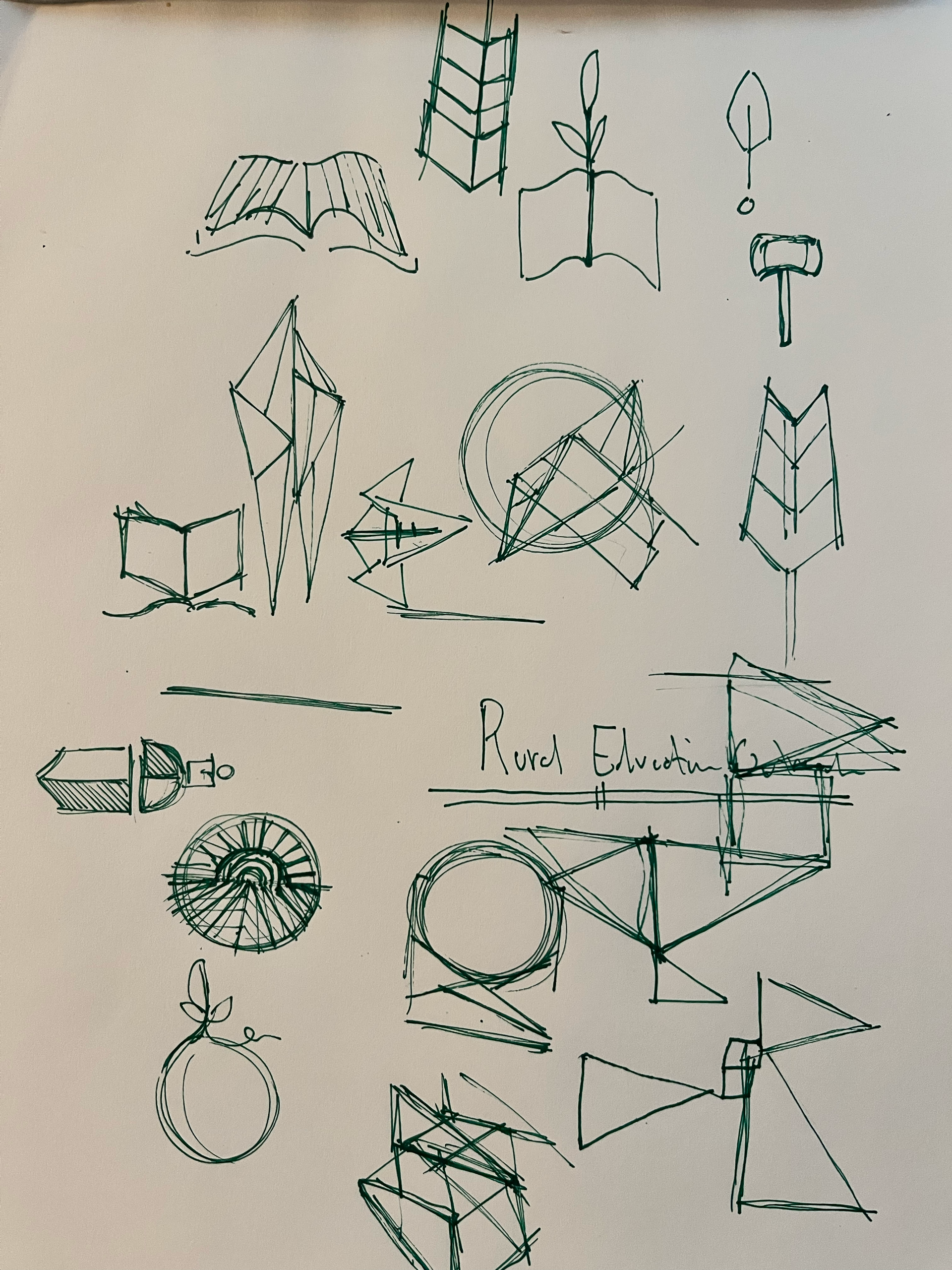
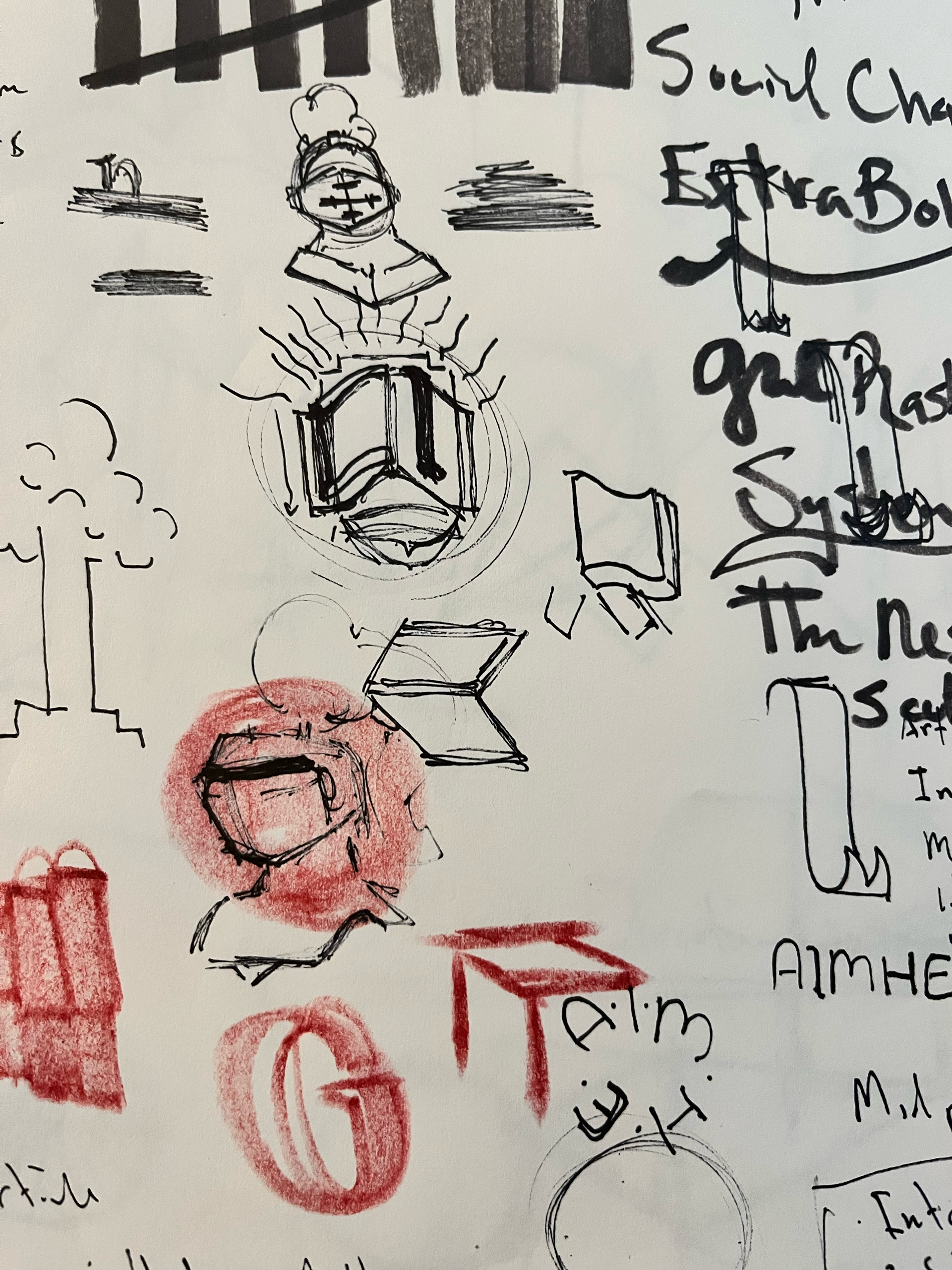
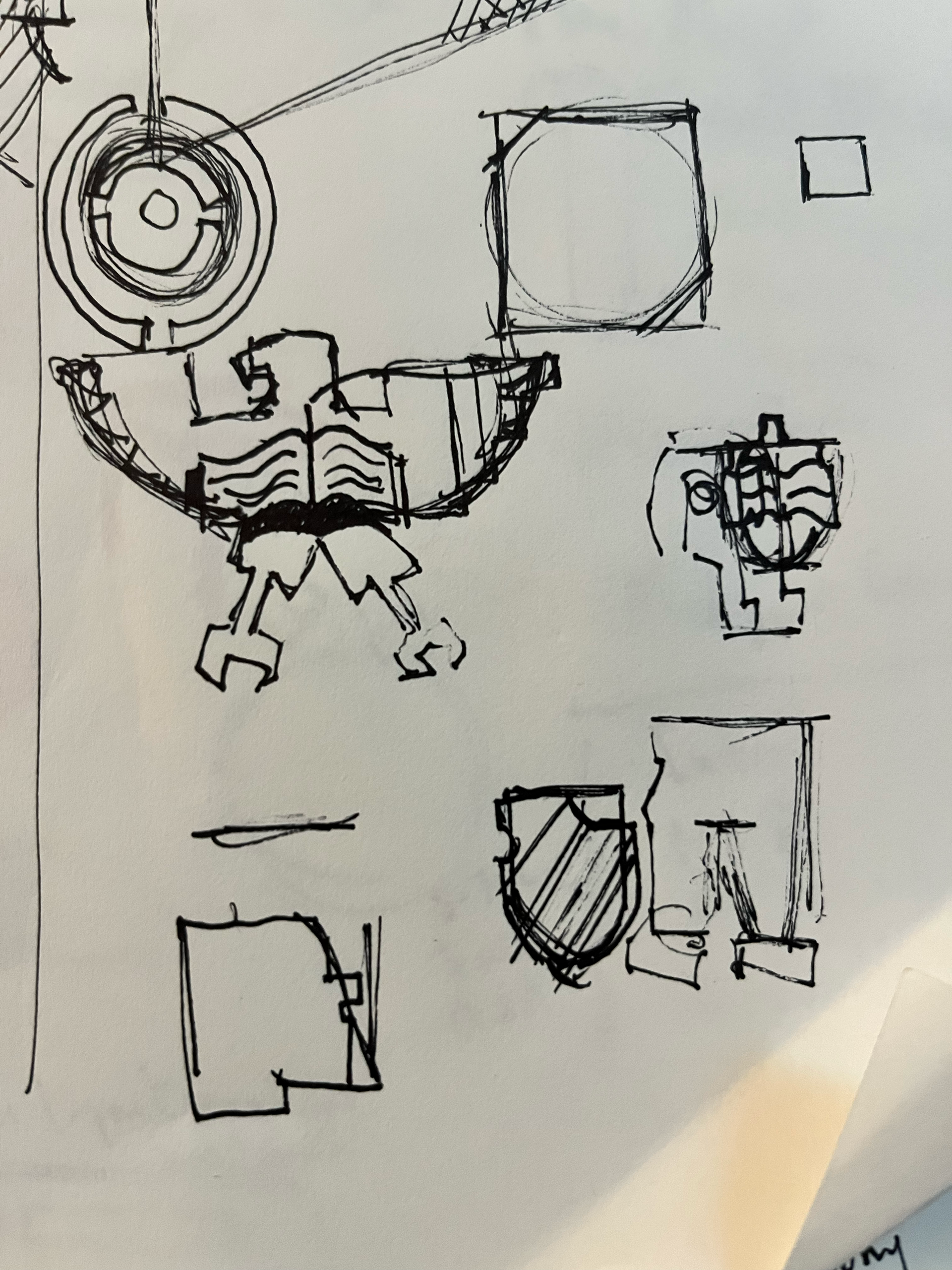
- Ideate — sketches, flows, divergent concepts.
- Prototype — low→high fidelity, testable artifacts.
- Test — usability tests, iterate, measure.
- Deliver — handoff, documentation, learnings.
Summary
MOREO is my response to a real problem I experienced firsthand. Growing up in a rural community, access to clear, trustworthy information about higher education often felt fragmented or out of reach. Rural students are frequently overlooked due to geographic, resource, and awareness barriers—and MOREO is my attempt to refocus attention on this critically untapped group.
This project brings visibility to local, in-state opportunities and demystifies the steps required to pursue them, while emphasizing human connection through counselors and mentors. Although MOREO is still evolving, the work completed over the past few months represents meaningful progress toward a more equitable and supportive pathway for rural students. I’m proud of how far the project has come and excited about its potential to grow, adapt, and make a real impact.